Luxury Customer Experience: Turning the Purchase Into a Ritual
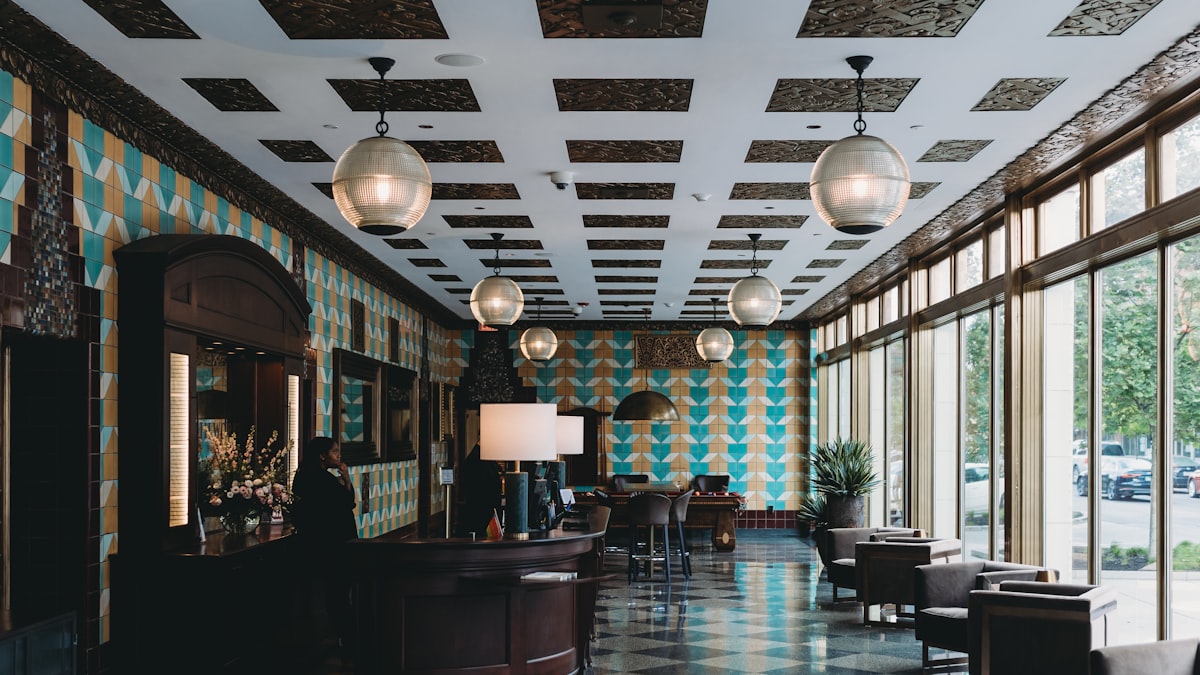
Luxury customer experience is not about selling a product but turning the moment of purchase into a ritual worth remembering. In luxury, the customer does not actually buy an object. They buy how they feel, the way they are received and the relationship they build with that product. The product is only the object at the center of this experience. Two brands can sell the same bag but leave an entirely different mark on the customer. What makes the difference is not the product but the experience.
In this guide I explain why luxury sells experience rather than product, the touchpoint map covering every point where the customer contacts the brand, the power of remembering the customer, the principles of silent service, how the moment of complaint turns into a prestige opportunity, and how to build all this in digital. The most lasting lesson I learned while working with luxury brands was this: a customer may forget the product, but they do not forget how they were treated.
In Luxury, Experience Is Sold, Not Product
In an ordinary purchase, the customer meets a need: takes the product, pays, leaves. In a luxury purchase, the customer enters into an experience. The way they are received, the time set aside for them, the care of the presentation and the feeling they carry as they leave are the real return on the money they paid. The product is only one part of this equation.
The reason is simple: in the luxury segment, the functional difference between products is often small. An expensive watch tells time, and so does a cheap one. The difference the customer pays goes not to function but to meaning and experience. This is what I observed in luxury retail: when the sale was complete, the expression left on the customer's face often came from the way they were received more than from the product.
In luxury, the customer compares the money they take out of their wallet not with the product but with how you made them feel. Experience is what justifies the price.
The Touchpoint Map: Where Does the Experience Begin and End?
Luxury experience is not lived in a single moment. It is the sum of a series of touchpoints. Every contact the customer makes with the brand is a layer of the experience, and the weakest link in the chain determines the whole impression. This is why designing the experience begins by first mapping all the touchpoints.
A typical luxury experience chain passes through these stops:
- First reception: The feeling the customer gets in the first second of entering the boutique or reaching the site
- Discovery and consultation: The moment of meeting the product, the attention given to questions and the quality of the presentation
- The purchase moment: The fluency of the payment process and this moment turning into a ceremony
- Delivery and packaging: The way the product reaches the customer and the opening experience
- After-sales: Thanks, being remembered and support given in a moment of trouble
A hitch at any of these stops overshadows all the care at the others. A cold delivery following a flawless boutique experience ruins the whole impression. Experience design requires building every link of this chain with the same care. This holistic view is in fact the work at the heart of a brand consulting effort.
Clienteling: The Power of Remembering the Customer
The strongest weapon of luxury experience is personalization, and its professional name is clienteling. Clienteling is treating the customer not as a transaction number but as a recognized and remembered individual. Remembering the customer's name, preferences, past purchases and special days turns an ordinary service into a personal relationship.
One of the things that impressed me most in luxury retail was this: good sales advisors greeted the customer by name the moment they walked in, remembered their previous purchase and prepared the right product for them in advance. This left the customer with one feeling: here I am not a number, I am recognized.
Practical applications of clienteling:
- Customer memory: Keeping preferences, sizes and past purchases on record
- Personal communication: Not mass messages, but contact that is personal and well-timed
- Special day reminders: A subtle gesture at moments such as a birthday or anniversary
- Anticipatory recommendation: Preparing in advance a product that might interest the customer based on their history
Personalization is the strongest way to retain a customer, because the feeling of being recognized cannot be easily copied by a rival brand.
The Principles of Silent Service
Luxury service is service that is felt, not one that shows itself. Fussing over the customer, talking constantly or applying sales pressure makes the experience uncomfortable. Real luxury service knows how to leave the customer at ease while being there at the exact moment they need it. This is called silent service.
The principles of silent service:
- Reading distance: Sensing when the customer wants to be alone and when they want attention
- No pressure: Focusing not on the sale but on the customer making the right decision
- Subtle attention: Quietly answering small needs noticed without being asked
- Measured language: A clean, reassuring manner instead of exaggerated compliments
- Flawless but invisible infrastructure: The effort behind the process never being made felt to the customer
The essence of silent service is this: the customer notices how easily everything runs, but never sees how much effort went into it. The best experience is the invisible experience.
The Moment of Complaint: The Hidden Opportunity of Prestige
For most brands, a complaint is a threat. For a luxury brand, a complaint is an opportunity to seal loyalty. How a problem is solved can leave a stronger impression than never having a problem at all. The customer knows that anyone can be gracious when things go well. A brand's real character emerges in a moment of trouble.
The approach that turns a complaint into an opportunity:
- No defensiveness: Owning the problem instead of making excuses
- Speed and composure: A calm but fast, reassuring resolution process
- Exceeding expectation: Not just solving the problem but a gesture that carries the customer a step further
- Follow-up: Asking after the resolution whether the customer is satisfied
I saw in the field that a customer whose problem was solved with superior grace often became more loyal than a customer who never had a problem. A complaint, when managed correctly, turns into the brand's strongest loyalty tool.
Luxury Experience in Digital
Luxury experience is no longer lived only in the boutique. The customer's first contact with the brand often happens on a screen, on the website or on social media. A luxury brand that cannot sustain the same care in digital loses half the experience before it even begins. The digital counterpart of silent service in the physical boutique is a flawlessly working interface.
The building blocks of luxury experience in digital:
- Site speed and fluency: A slow-loading page is like a customer kept waiting at the door in digital
- Aesthetics and simplicity: A breathing, careful design rather than a crowded one
- Post-order communication: Reassuring messages that inform at every stage of the order
- Package tracking: The customer being able to follow their order without worry
- Personal touch: Communication that is automated but not cold, carrying the brand's voice
Keeping the digital experience luxurious begins with a flawlessly working web design. All the care a brand builds in the boutique can vanish in a few seconds on a slow and complex site. Taking digital touchpoints as seriously as the boutique is today a precondition of luxury.
Common Mistakes in Luxury Customer Experience
There are traps brands wanting to move to premium positioning often fall into in customer experience:
- Neglecting one link of the chain: Flawless boutique, careless delivery, one weak link ruins the whole impression
- Excessive attention: Fussing over the customer and applying sales pressure
- Skipping personalization: Treating the customer like a transaction number
- Meeting complaints with defensiveness: Making excuses instead of owning the problem
- Underestimating digital: Being flawless in the boutique but careless on the screen
- Forgetting after-sales: Cutting off communication once the money is paid
Let's Turn Your Customer Experience Into a Ritual
I am Sefa Aydın. As an Istanbul-based brand consultant, I have worked on the Turkey projects of luxury brands such as Dior, Fendi and Bvlgari, and observed firsthand that what is really sold in luxury is not product but experience. I build customer experience as a single consistent chain from first reception to after-sales, designing physical and digital touchpoints with the same care.
If you want to strengthen the mark your brand leaves on the customer, the first step is a short assessment meeting. You can review the scope of my brand consulting service, read my guide on how to build a luxury brand if you are thinking of building one from scratch, or look at my article on luxury packaging design for the physical face of the experience. For your questions you can use the contact form. Let's turn your customer's purchase moment into a ritual they can't forget, together.
Frequently Asked Questions
What is luxury customer experience?
Luxury customer experience is not about selling a product but turning the moment of purchase into a ritual worth remembering. In luxury the customer buys not an object but how they feel and the way they are received. The product is the object at the center of the experience, but what makes the difference is the whole of the experience rather than the product.
What is clienteling and why does it matter?
Clienteling is a personalized service approach that treats the customer not as a transaction number but as a recognized and remembered individual. Remembering the customer's name, preferences and past purchases turns ordinary service into a personal relationship. This feeling, which rival brands cannot easily copy, is the strongest way to retain a customer.
What does silent service mean?
Silent service is service that is felt, not one that shows itself. It means being there at the exact moment the customer needs it while leaving them at ease, and helping toward the right decision without sales pressure. The best experience is the invisible one, where the effort behind it is never made felt to the customer.
How is a complaint turned into an opportunity in a luxury brand?
A complaint is an opportunity to seal loyalty because a brand's real character emerges in a moment of trouble. You must own the problem, solve it calmly and quickly, make a gesture that exceeds expectation, and follow up afterward. A customer whose problem was solved with superior grace often becomes more loyal than one who never had a problem.
How is a luxury experience built in digital?
Luxury experience in digital begins with a flawlessly working website. Site speed, clean and aesthetic design, post-order information, package tracking and personal communication carrying the brand's voice are the core building blocks. A slow or complex site can vanish all the care built in the boutique within a few seconds.
Prefer to leave this to a professional?
I handle your brand, design, social media, advertising and print work from a single point. Tell me what you need and I'll get back to you the same day.
Message on WhatsApp Explore services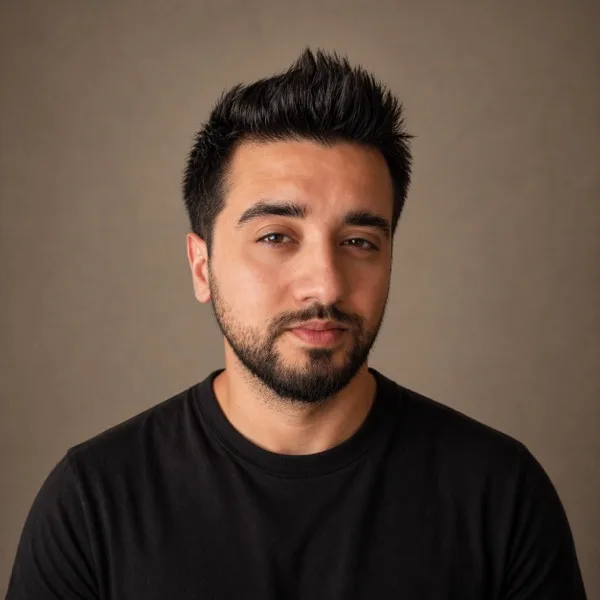
Sefa Aydın · Brand Manager
A brand manager who has worked on the Turkey projects of luxury brands such as Dior, Fendi and Bvlgari, offering full-scale digital and print services to brands. Also teaches hands-on courses on graphic design, video editing and AI.
About → LinkedIn ↗