Luxury Packaging Design: Making the Unboxing Experience Part of the Brand
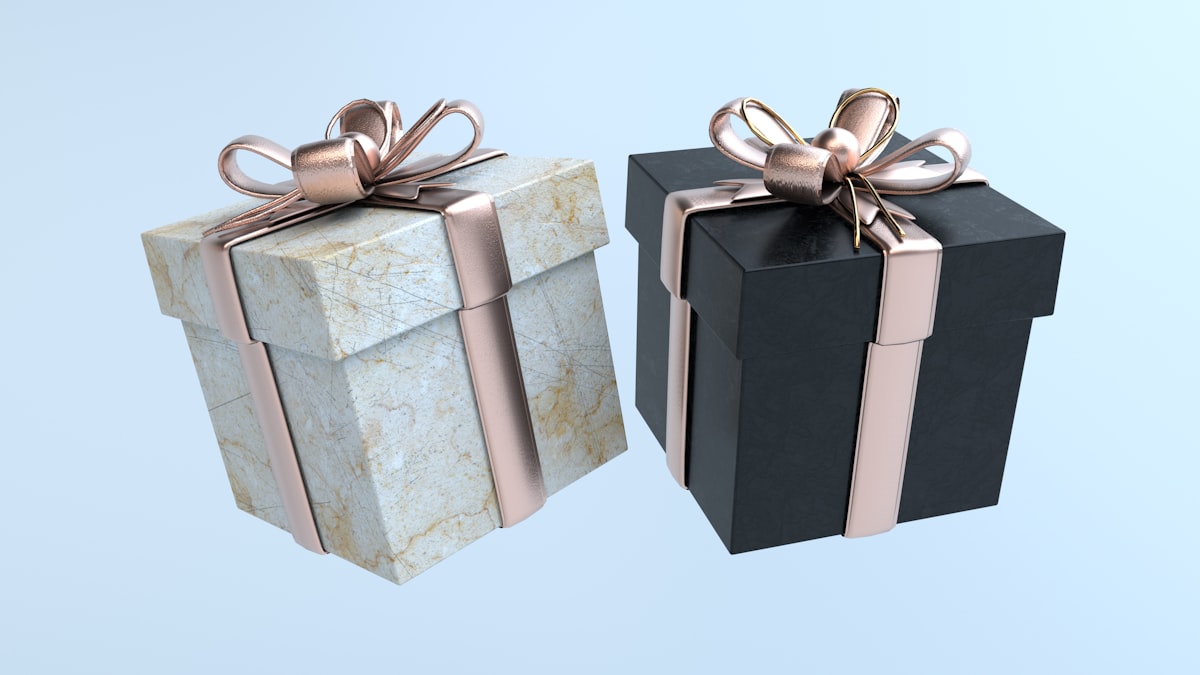
Luxury packaging design is not about making a box pretty. It is about setting the stage for the experience that delivers the product to the customer. In the luxury segment, packaging stops being a protective layer sitting outside the product and becomes part of the product itself. The customer pays not only for the object inside but also for the moment of opening it. This is exactly why in a premium brand the box is often designed with as much care as the product.
In this guide I explain why luxury packaging is never thrown away, which material and texture decisions lift perception, how rituals such as ribbons and seals turn unboxing into a scene, and how to balance cost against perception while doing all this. One of the clearest things I saw while working with luxury brands was this: long before the customer remembers the product, they remember how they opened it.
Why Is Packaging as Important as the Product Itself?
In an ordinary product, packaging exists to carry and protect. In a luxury product, packaging is the tool that delivers the emotional payoff of the purchase decision. The bag in the customer's hand as they leave the boutique, the box placed on the table when an order arrives, is the physical proof of the promise that brand made. The more carefully made the box, the more the customer believes they made the right choice.
The most striking behavior I observed in luxury retail was that boxes were not thrown away. After buying an expensive bag or watch, customers kept the box, the pouch, even the thin paper inside. The box was no longer packaging, it was a memento of the purchase. This alone shows one thing: a well-designed package keeps the brand in the customer's home far longer than the product's own life.
Luxury packaging is the packaging a customer can't bring themselves to throw away. If a box is being kept, that brand is being kept in the customer's mind too.
The Box That Never Gets Thrown Away: Packaging's Second Life
The hidden power of premium packaging is that it keeps working even after the purchase is over. The customer keeps the box in a cabinet, puts jewelry inside it, reuses it to wrap a gift. Every time they use it, they meet the brand logo again. This is an advertising space you pay for once but that returns for years.
A few principles help in designing a box that won't be thrown away:
- Reusable form: A sturdy box with a magnetic lid lives far longer than cardboard packaging
- Neutral but rich aesthetic: A clean, quality look that fits somewhere at home, instead of heavily campaign-focused prints
- Functional interior: A molded inner structure holding the product in place makes the box worth keeping
- Timelessness: A design without date or season emphasis keeps the box from aging
Making a package reusable is in fact the cheapest way to place your brand into the customer's daily life.
Material and Texture: Luxury Is Understood by Touch
A large part of luxury perception is built not with the eyes but with the fingertips. A product feeling expensive often comes from how it feels when touched. In packaging, this feeling is constructed through material choice. I saw it many times in the field: the customer formed a judgment about the product in the first second of picking up the box, before even opening it.
Material Decisions That Lift Perception
- Soft-touch coating: A matte, velvety surface, the exact opposite of cheap gloss, giving a sense of maturity
- Hot foil: Gold or silver foil catching light slightly signs value without tipping into showiness
- Embossing and debossing: The logo appearing not printed onto the paper but worked into it
- Magnetic lid: The lid closing on its own and softly gives a sense of engineering
- Weight perception: A light box feels cheap, a box of balanced weight feels valuable
None of these details is expensive on its own, but when they come together they form a total quality judgment in the customer's mind. When planning packaging and print work, this tactile layer must sit at the center of the strategy. I address the production options on this in more detail in my catalog, packaging and print design service.
Unboxing Is a Ritual: Ribbon, Seal and Handwritten Note
Luxury brands do not leave the moment of opening the box to chance. They turn it into a ceremony. Every step of the opening is planned: first the outer bag, then untying the ribbon, lifting the lid, parting the thin paper, and finally the product appearing. This sequence is no accident. Each layer stretches anticipation one second longer and raises the product's value.
Touches that strengthen the unboxing ritual:
- Ribbon: A ribbon untied by hand slows the opening and binds the customer to the moment
- Seal or sticker: A touch that makes the customer feel they are the first to open the box
- Handwritten note: A short thank-you card with the customer's name is the strongest personalization in the digital age
- Thin wrapping paper: The last curtain before reaching the product. Its sound and texture grow the anticipation
This was the most valuable lesson I learned while working with luxury brands: you are selling the customer not a product but a moment. The better that moment is staged, the more the customer bonds to the brand.
The Social Media Value of Unboxing
A well-designed opening experience is advertising the customer produces with their own hands. People want to share opening a beautiful box. An unboxing video or photo is far more persuasive than an ad the brand makes itself, because a real customer shared it.
To make packaging shareable, a few things need thought in the design:
- Camera-friendly opening: The box opening in a gradual and visually satisfying way
- Clarity of the brand moment: The logo appearing clearly in at least one frame of the video
- Color contrast: A contrast between inner and outer surfaces that stands out when shared
- Layers of detail: Texture, foil and print details that hold up in close-up
When building a consistent brand look on social media, packaging is one of the most overlooked yet most effective content sources. Carrying your visual language into social media management with the same aesthetic lets unboxing content feed back into the brand.
The Cost and Perception Balance: Not Expensive, but Right Packaging
Luxury packaging does not mean producing every item with the most expensive material. The real point is to steer the budget to the points the customer will feel most. The customer doesn't know the cardboard's weight, but instantly notices the lid's closing feel, the paper's texture and the logo's shine.
The table below is a general market observation of how you might distribute the same budget across different segments. The figures are approximate bands for the 2026 Turkey market and are a reference for planning, not a commitment.
| Packaging Level | Key Features | Approx. Cost per Unit |
|---|---|---|
| Entry premium | Quality cardboard, single-color print, simple label | 15 - 40 TL |
| Mid premium | Soft-touch coating, hot foil logo, ribbon | 40 - 120 TL |
| Upper luxury | Magnetic rigid box, molded interior, embossing, seal | 120 - 400 TL and above |
The right strategy is not to pile the budget onto a single showy detail, but to bring a few right touches together consistently. For a box to feel expensive, it does not need to be expensive. Being careful in the right places is enough.
Sustainability Is Now Part of Luxury
The premium customer profile has changed. Today the luxury-consuming audience reads waste not as showiness but as carelessness. Excess plastic, unnecessary layers of packaging and non-recyclable materials, once signs of wealth, have turned into elements that lower a brand's value. I observed this expectation rising rapidly while working with luxury brands.
Practical directions for sustainable luxury packaging:
- Recyclable material: FSC-certified cardboard and water-soluble inks
- Design for reuse: A box that is already kept is the most sustainable packaging
- Reducing unnecessary layers: Little but high-quality material is worth more than much but cheap material
- Transparent communication: Telling the packaging's environmental choices honestly, without exaggeration
Sustainability today is not a cost item but, when structured correctly, a luxury code that lifts perception.
Common Packaging Mistakes
There are traps brands wanting to move to luxury packaging often fall into. Knowing them up front protects both the budget and perception:
- A gap between product and packaging: Putting an ordinary product in an overly showy box breeds suspicion rather than trust
- Printing the logo everywhere: Real luxury reveals itself through detail, not by shouting
- Cheap gloss: Overly glossy lamination pulls perception down, not up
- Inconsistency: Boutique packaging being entirely different from shipping packaging breaks the experience
- Not thinking about the opening: A beautiful but hard-to-open box turns the ritual into disappointment
Let's Turn Your Packaging Into Your Brand's Voice
I am Sefa Aydın. As an Istanbul-based brand consultant and designer, I have worked on the Turkey projects of luxury brands such as Dior, Fendi and Bvlgari, and observed firsthand in luxury retail that packaging matters as much as the product. I build packaging design as a single system in harmony with the brand's entire visual language, and run the production and print process under one hand.
If you want the customer opening your product to remember and share that moment, the first step is a short assessment meeting. You can review the scope of my packaging and print design service, read my article on packaging design prices for cost ranges, or if you are thinking of building a luxury brand from scratch, look at my guide on how to build a luxury brand. For your questions you can use the contact form. Let's take your packaging out of being a cost item and turn it into your brand's most loyal advertisement.
Frequently Asked Questions
Why is luxury packaging design so important?
In the luxury segment, packaging stops being a layer that protects the product and becomes part of the product. The customer pays not only for the product but for the experience of opening it. A well-designed box is generally kept rather than thrown away, keeping the brand alive in the customer's home for a long time.
How much does premium box design cost?
In the 2026 Turkey market, entry premium boxes run about 15 - 40 TL per unit, mid premium boxes 40 - 120 TL, and upper luxury rigid boxes 120 - 400 TL and above. The figures vary by quantity, material and print detail. These are not commitments but a general market observation.
How is the unboxing experience strengthened?
The unboxing experience strengthens by turning the opening into a ritual. A ribbon, seal, thin wrapping paper and a handwritten note with the customer's name slow the opening and bind them to the moment. The aim is to grow anticipation layer by layer before reaching the product and make that moment memorable.
Can luxury packaging be sustainable?
Yes, and the premium customer increasingly expects it. Recyclable cardboard, water-soluble ink and reusable box design add both environmental and perceptual value. Today excessive and wasteful packaging is read not as wealth but as carelessness.
What should a small brand do if it can't afford luxury packaging?
Luxury packaging is not about producing every item with the most expensive material. It is enough to steer the budget to the points the customer feels most: a few right touches such as the lid's closing feel, the paper's texture and the way the logo is worked make the whole box feel expensive. Right packaging matters more than expensive packaging.
Prefer to leave this to a professional?
I handle your brand, design, social media, advertising and print work from a single point. Tell me what you need and I'll get back to you the same day.
Message on WhatsApp Explore services
Sefa Aydın · Brand Manager
A brand manager who has worked on the Turkey projects of luxury brands such as Dior, Fendi and Bvlgari, offering full-scale digital and print services to brands. Also teaches hands-on courses on graphic design, video editing and AI.
About → LinkedIn ↗